What is happening in today’s housing market?
Listings are expanding at a steady pace. In June, housing inventory was up 16 percent compared to the same time last year. Pending home sales dropped just 0.8 percent from May and are down only 2.8 percent year over year, according to the National Association of REALTORS®. While more properties are being listed, many buyers are still waiting before making a move.
Why are buyers not jumping in yet?
Affordability remains a concern. The median existing-home price reached $435,300 in June, which is a 2 percent increase over the past year. At the same time, mortgage rates have been holding between 6.5 and 6.75 percent, which continues to stretch monthly budgets. Many buyers are still sitting on the sidelines, hoping for better timing or improved affordability.
What explains the surge in listings?
Sellers are listing for a variety of reasons, including relocations, lifestyle changes, and a sense that market timing may not get much better. Major metro areas such as Austin, Denver, Dallas, and Seattle saw sharp increases in listings between April and May. In fact, there were nearly 500,000 more home sellers than buyers in April, marking the largest gap in over a decade.
Does this inventory growth help all buyers equally?
Unfortunately, not yet. While inventory is up significantly nationwide, it is still not meeting the needs of lower and middle-income buyers. Buyers earning less than $50,000 a year could afford only 8.7 percent of listings in May. Even those earning between $75,000 and $100,000 could only access about 21 percent of homes. As supply increases, there is hope that more affordable options will open up.
Is the market turning in buyers’ favor?
There are strong indications that it is beginning to shift. Real estate professionals are expressing growing optimism about increased activity in the months ahead. Mortgage applications have jumped 20 percent compared to the same time last year, showing that buyers are preparing to reenter the market. This pent-up demand could start to release once conditions improve even slightly.
What regional patterns are emerging?
There are some clear geographic differences. The Northeast saw a 2 percent increase in pending sales in June, with the median home price climbing to $543,300. Meanwhile, the Midwest, South, and West saw modest declines in pending sales. However, markets like Austin and others in the Sun Belt are seeing prices adjust and more homes coming online, which could reengage cautious buyers.
Who is benefiting most right now?
Current homeowners continue to benefit from historically high equity gains. Over the past five years, the average homeowner has gained more than $140,000 in home value. For sellers, this means there is still plenty of room to price competitively and attract interest. Homes that are priced well and presented properly are still moving, even in a more selective market.
How could the rest of the year play out?
There is reason for optimism as we move into the second half of the year. If mortgage rates settle or begin to dip slightly and inflation stays under control, affordability could improve. This would likely bring many sidelined buyers back into the market. With more homes to choose from and sellers increasingly open to negotiations or price adjustments, a more balanced and active housing market could take shape.
Key Takeaways for Buyers and Sellers
| Buyers | Sellers |
|---|---|
| More inventory creates more choice and flexibility | Equity remains strong and proper pricing attracts interest |
| Mortgage application volume is increasing, signaling more buyer activity | Pricing realistically can help you sell faster in a shifting market |
The bottom line: The market is gaining momentum. Listings are up, buyers are showing interest again, and sellers are becoming more flexible. Whether you are looking to buy or sell, staying informed and acting strategically could open up big opportunities before the year ends.
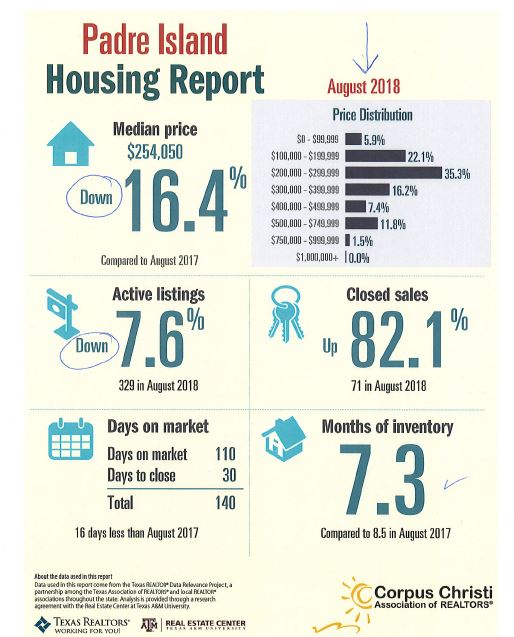
 CORPUS CHRISTI – Plunging oil prices may be a relief for Coastal Bend residents at the pumps, but they’re having little influence on rents or mortgage payments.